
A construction proposal is more than a price quote. It shows a client what you plan to build, what work is included, how much it will cost, and when the work is likely to be completed. When those details are clear, clients can make decisions with more confidence.
A well-written proposal also protects the contractor. It reduces assumptions about materials, site conditions, payment dates, and work that falls outside the original agreement.
This guide explains how to prepare a construction proposal step by step, then shows the essential sections to include before you ask a client to approve the project.
How to Write a Construction Proposal Step by Step
Writing starts long before you open a proposal template. The most useful proposals are built from a clear understanding of the job, realistic pricing, and written details that the client can follow. Use the steps below to gather the right information before you prepare the final document.
Step 1: Review the Project Requirements and Site Conditions
Start by collecting every detail the client has provided. This may include drawings, specifications, tender documents, photographs, finish schedules, and notes from earlier conversations. For a renovation or repair, inspect the existing space before you promise a price or completion date.
A site visit can reveal access limits, utility locations, safety issues, poor drainage, hidden damage, or restricted working hours. It can also show whether equipment, waste removal, deliveries, or subcontractors will be difficult to manage. Write down questions and get answers before you estimate the job instead of filling gaps with assumptions.
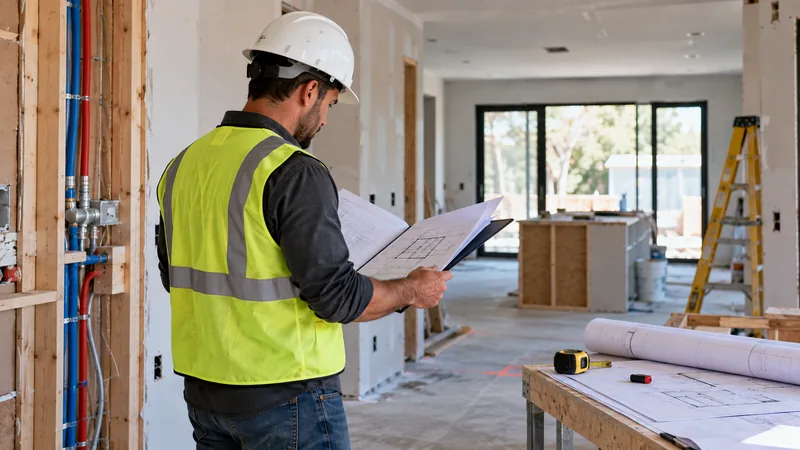
If the job needs permits, inspections, or owner approval, identify who is responsible for each one. You should also confirm the project address, the person authorized to make decisions, and any deadline that matters to the client. These details will appear in the proposal later.
Step 2: Define the Scope Before Calculating the Price
The scope of work is the foundation of the proposal. It turns a broad request, such as “remodel the kitchen” or “build an extension,” into specific tasks that can be priced and scheduled. A clear scope helps both sides understand what the contractor will deliver.
Break the project into logical parts. Depending on the job, this could include demolition, site preparation, foundation work, framing, electrical work, plumbing, insulation, finishes, cleaning, and handover. State the work to be completed, not just the result the client hopes to see.
For a simple scope section, make the responsibilities easy to scan:
- Work included: Describe the labor, materials, equipment, supervision, and cleanup that your price covers.
- Work excluded: Name work that is outside the price, so the client does not assume it is part of the project.
- Client decisions: Identify selections, approvals, access, or information the client must provide before a task can begin.

At the same time, separate what is included from what is not included. For example, the price might include installing flooring but not moving existing furniture, repairing subfloor damage, or selecting decorative items. Clear boundaries lower the chance of a dispute or an unpaid change order later.
Step 3: Build an Accurate Cost Estimate
Once the scope is clear, calculate the cost of each part of the work. Estimate labor hours, crew rates, materials, equipment, subcontractor work, delivery, permits, disposal, and site management. For larger projects, obtain current pricing from suppliers and subcontractors instead of relying on old numbers.
Do not overlook small costs that occur throughout the job. Temporary protection, fuel, delivery charges, equipment rental, supervision, cleanup, and waste bins can affect the true project cost. Include a reasonable contingency only for genuine unknowns, and explain important allowances clearly.

Before moving on, check the estimate against the scope line by line. Ask whether every task has labor, materials, and enough time assigned to it. A proposal is much easier to defend when the numbers can be traced back to the work described.
Step 4: Choose the Right Pricing Method
The pricing method should fit the amount of certainty in the project. A fixed-price proposal is often suitable when drawings, quantities, and material choices are clear. It gives the client one defined price for the agreed scope, while changes should be handled separately.
Use the method that matches the job and explain it plainly in the proposal:
| Pricing method | Best used when | State clearly in the proposal |
| Fixed price | The scope, quantities, and material choices are clear | The agreed scope, total price, and how approved changes are priced |
| Cost-plus | The scope may change or hidden conditions are likely | The agreed fee or percentage, records the client will receive, and any spending approval limit |
| Unit price | Work can be measured by a repeatable unit | The unit, rate, estimated quantity, and how final quantities will be verified |
| Time and materials | Repair, emergency, or uncertain-condition work is required | Labor rates, material markup if any, equipment charges, and approval process |
Time-and-materials pricing may be appropriate for repairs, emergency work, or jobs where the full condition cannot be known in advance. Whichever method you use, name it plainly so the client knows how the price was formed.
Step 5: Present the Proposal in a Clear, Client-Friendly Format
Put the key information where a busy client can find it. Start with the project summary, scope of work, price, and next action. Use headings, short paragraphs, numbered sections, and tables when they make costs or milestones easier to review.
Write in plain language. A client may not understand trade abbreviations, technical codes, or supplier terms without an explanation. You can still include specifications, but explain what they mean for the project whenever that helps the client make a decision.

The final page should make approval simple. Tell the client whether they need to sign, send written acceptance, pay a deposit, or schedule a final review meeting. Do not leave the next step unclear after they have read the proposal.
Step 6: Review the Proposal Before Sending It
Read the proposal from the client’s point of view before you send it. Confirm the client’s name, project address, proposal date, issue number, quantities, material choices, tax treatment, and total price. Even a small error can make a careful proposal look unreliable.

Check that the scope, schedule, exclusions, allowances, payment dates, and change-order process all agree with one another. Make sure any drawings, photos, estimates, licenses, insurance certificates, or specification sheets mentioned in the proposal are attached. For high-value work, ask another experienced person to review the document and the calculations.
What Should a Construction Proposal Include?
Every construction project has different risks and requirements, but most professional proposals follow the same basic structure. The sections below give the client a complete picture of the work while helping the contractor document the agreement before construction starts.
Client and Project Information
Open with the basic details that identify the proposal. Include the client’s name, company name when relevant, phone number, email address, project name, and project address. Add your business name, contact details, license information where required, proposal number, issue date, and the date the offer expires.
These details seem simple, but they prevent confusion when several quotes or project phases are in progress. A proposal number also makes it easier to connect later invoices, change orders, drawings, and signed acceptance to the correct job.
Project Summary
The project summary is a short explanation of what the client wants and what you are proposing to do. It may describe a residential renovation, commercial fit-out, repair, addition, new build, or site improvement. Keep it specific enough that the client recognizes their project immediately.
Mention important conditions identified during the site visit or planning stage. For example, the proposal may depend on access through a side gate, approved drawings, or the client selecting tiles before a certain date. This section should be easy to read and should match the detailed scope that follows.
Detailed Scope of Work
The detailed scope of work is the most important part of a construction proposal. It explains what you will do, how the work will be organized, and what is included in the agreed price. A vague statement such as “complete renovation” leaves too much room for different expectations.
Organize the scope by work phase or trade. For example, describe demolition, framing, plumbing, electrical work, drywall, flooring, painting, cleanup, and final handover in the order they will occur. State whether labor, materials, equipment, supervision, and waste removal are included for each major activity.
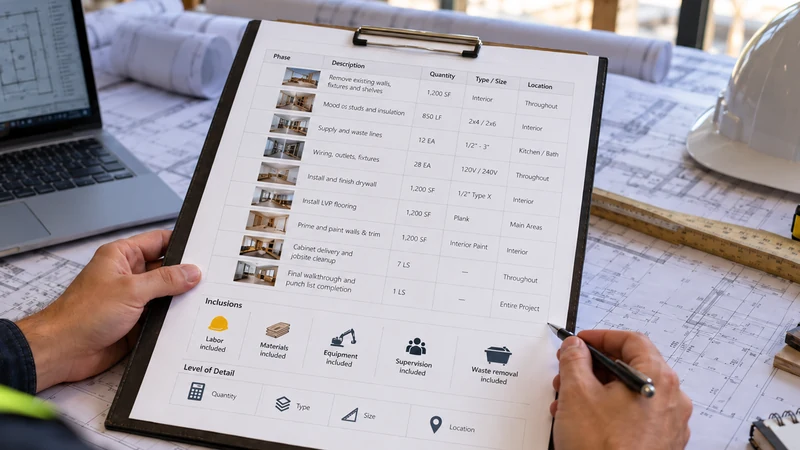
Use measurable detail whenever possible. Instead of saying “install windows,” state the number, type, size range, location, and whether trim, flashing, and disposal of old units are included. You do not need to overload the client with every construction method, but the promised work should be clear enough to price and inspect.
Materials and Specifications
State the material type, grade, brand, size, color, finish, or performance standard when those choices affect price or quality. This is especially important for visible finishes, structural materials, mechanical equipment, and items with long lead times. If an exact brand is not yet chosen, use an allowance and explain what it covers.
Clarify whether materials are included in the proposal and whether equivalent substitutions may be used. If substitutions need client approval, say so. It is also helpful to note that delays may occur when the client changes a selected item or chooses a special-order product after work has started.
Project Schedule and Milestones
Give an estimated start date, expected completion date, and major project milestones. Milestones might include permit approval, demolition completion, rough-in inspections, material delivery, finishing work, and final walkthrough. A schedule helps the client understand the order of work and plan around disruption.
Be realistic about factors outside your control. Weather, permit delays, inspection availability, material lead times, owner changes, and limited site access can affect the timeline. State whether the dates are estimates and how approved changes or unexpected site conditions may affect completion.
Itemized Cost Estimate
Show how the project price relates to the work. Depending on the project, an itemized cost estimate may include labor, materials, equipment, subcontractor work, permits, delivery, disposal, mobilization, overhead, and contingency. Some contractors present every line item, while others group related work into clear phases.
The right level of detail depends on the client and pricing method. The goal is not to expose every internal calculation. The goal is to make the total price understandable and to show what it covers.
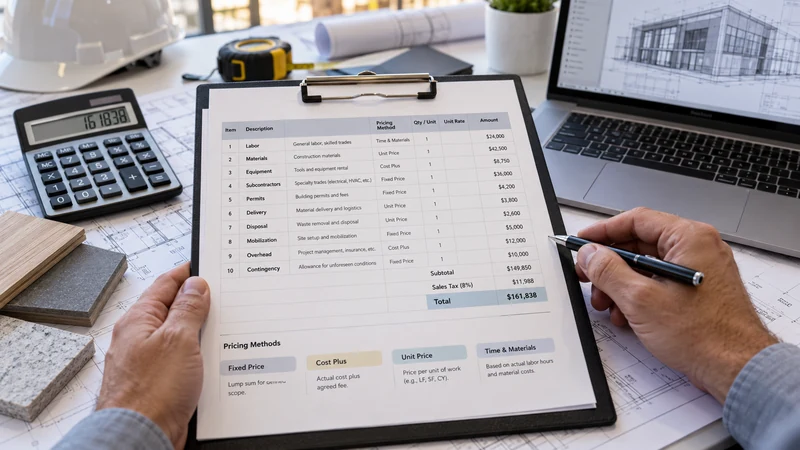
State whether the proposal uses fixed-price, cost-plus, unit-price, or time-and-materials pricing. If the price does not include sales tax, fees, or permit charges, say that clearly. Never leave a client guessing whether a major cost is part of the total investment.
What to Show in the Cost Breakdown
The breakdown should follow the scope of work. The client does not always need every internal calculation, but they should understand the main cost areas.
- Labor: Show the labor cost by trade, work phase, or crew when it helps the client see where the budget is going.
- Materials: Identify key materials or material allowances, especially where quality, brand, or finish affects the cost.
- Equipment and subcontractors: Include these charges when they are needed to complete the agreed work.
- Project costs: Note permit, delivery, disposal, mobilization, and similar charges when they apply to the project.
Payment Schedule
Set payment dates that match the work and the project’s cash needs. A smaller project may require a deposit, one progress payment, and a final payment. A larger construction project may use payments tied to milestones, monthly billing, or verified completed work.
State the amount or percentage due at each stage, the payment method you accept, and when payment is due. For commercial work, include retainage only when it applies and explain it in plain language. If you use late-payment terms, make sure they are appropriate for the project and local rules.
Payment Schedule Details to Confirm
Make each payment point clear enough that both sides know when an invoice can be issued. Link progress payments to work completed, not vague dates alone.
| Payment point | What the proposal should explain |
| Deposit or mobilization payment | The amount due, its purpose, and what work or materials it allows you to begin |
| Progress payment | The completed milestone, the amount due, and the documents or inspection needed before billing |
| Final payment | What counts as completion, how punch-list items are handled, and when the balance is due |
Exclusions and Allowances
Exclusions explain the work, materials, or conditions that are not included in the quoted price. This is not a negative section. It is a practical way to stop the client from assuming that an unpriced item is included.
Common exclusions may include hidden damage, asbestos or hazardous-material removal, soil problems, utility relocation, landscaping, design fees, or code upgrades that were not known when the proposal was prepared. List only the exclusions that are relevant to the job and explain them in direct language.
Allowances are useful when the client has not made a final selection. For example, an allowance may cover a set amount for light fixtures, tile, cabinets, or appliances. State what the allowance includes and explain that the final price will change if the selected product costs more or less.
Change Order Process
Construction projects often change after work begins. The client may request additional work, select a different material, or discover a condition that could not reasonably be seen before opening a wall or excavating the site. A written change-order process keeps these changes from becoming arguments.
Explain that changes must be approved in writing before extra work begins, except in a genuine emergency where immediate action is needed. Each change order should describe the added or removed work, the price effect, and the schedule effect. Identify who on the client’s side is authorized to approve it.
Terms, Warranty, and Insurance
Include the proposal validity period and the basic terms that guide the job. These may cover proposal acceptance, permits, inspections, site access, client responsibilities, and cancellation or termination conditions. For larger or higher-risk projects, seek appropriate legal review for contract language and local requirements.
State the workmanship warranty you offer and distinguish it from a manufacturer’s warranty on materials or equipment. Mention your relevant insurance coverage, such as general liability or workers’ compensation, if it helps the client verify that the project is properly protected. Keep the wording accurate and do not promise coverage or warranty terms you cannot provide.
Construction Proposal Example Structure
You can adapt the document to residential, commercial, renovation, or public-sector work, but the core order should remain familiar to the client. A practical construction proposal usually follows this sequence:
- Proposal title and contractor details
- Client and project information
- Project summary
- Detailed scope of work
- Materials and specifications
- Project schedule and milestones
- Cost estimate and total price
- Payment schedule
- Exclusions and allowances
- Change-order process
- Terms, warranties, and insurance
- Acceptance and signature section
Place attachments after the main proposal when needed. These could include drawings, finish schedules, proof of insurance, licenses, supplier quotations, project photos, or a more detailed cost breakdown. The signature section should identify the person who can accept the proposal and leave space for the acceptance date.
Common Mistakes to Avoid in a Construction Proposal
The most common mistake is writing a scope that is too general. If the client cannot tell what work, materials, or cleanup are included, the proposal will not prevent confusion. Specific writing takes longer at first, but it often saves far more time once the project begins.
Another mistake is showing one total price without explaining what it covers. A single figure can be appropriate for a fixed-price job, but the client still needs to see the major phases, material assumptions, payment stages, and exclusions. Clear detail helps the client compare proposals fairly.
Also avoid these problems:
- Promising an unrealistic completion date: Note the permit, weather, delivery, inspection, and client-selection risks that can affect the schedule.
- Leaving responsibilities unclear: State who handles permits, inspections, approvals, site access, and client selections.
- Skipping exclusions, allowances, or change orders: These sections explain how uncertain items and additional work will be handled.
- Using unexplained trade language: Define important technical terms or replace them with plain wording the client can understand.
- Sending without a final check: Review totals, attachments, names, dates, and the acceptance section before the proposal goes out.
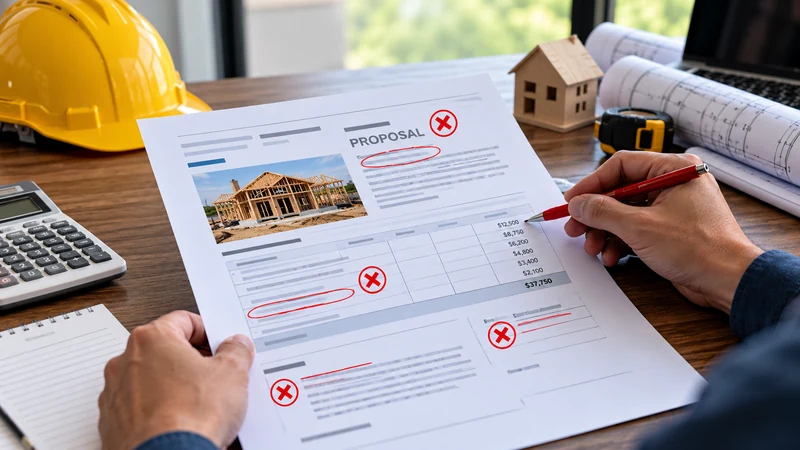
Each issue can lead to a different expectation between the contractor and client. Before sending the proposal, ask whether a reasonable person could understand what is included, what may change, and what they need to do next. If the answer is no, revise it before work starts.
How to Make a Construction Proposal More Convincing
A convincing proposal does not depend on sales language. It shows that you understand the actual project and have a practical plan to complete it. Refer to the client’s goals, site conditions, and decisions rather than using the same generic wording for every job.
Briefly include proof that is relevant to the work. This might be a similar completed project, your license, insurance, certifications, trade experience, or a short explanation of your quality-control process. Only include information that helps the client assess this project.
Professional presentation also matters. Use a clean layout, accurate numbers, readable headings, and consistent terms. Clients are more likely to trust a proposal when the scope, schedule, price, and approval steps are easy to understand.
Frequently Asked Questions About Construction Project Proposals
What Is a Construction Project Proposal?
A construction project proposal is a written offer that explains the work, price, schedule, materials, payment terms, and project conditions. It gives the client the information needed to decide whether to accept the contractor’s plan. It can also form part of the final agreement, depending on how it is written and accepted.
What Is the Difference Between a Construction Proposal and an Estimate?
An estimate is a projected cost, while a proposal explains the work, price, schedule, and terms for client approval. An estimate may be informal or preliminary when details are still unknown. A proposal is normally more complete because it describes what the contractor will provide and the conditions tied to the price.
Should a Construction Proposal Include a Contract?
A proposal can include contract terms, but a formal contract is often recommended for larger or more complex projects. The right document depends on the project value, local requirements, and risk involved. Make sure the accepted proposal and any separate contract do not contradict each other.
How Long Should a Construction Proposal Be?
A small repair proposal may be one or two pages, while a large commercial proposal may need detailed schedules, specifications, drawings, and supporting documents. Length is less important than clarity. Include enough detail for the client to understand the scope and price without adding material that does not affect the job.
How Long Should a Construction Proposal Remain Valid?
Many contractors use a validity period of 15 to 30 days, especially when material prices or subcontractor rates may change. The right period depends on the market, supplier quotations, and project complexity. State the expiration date clearly so the client knows when the price may need to be reviewed.
Can a Contractor Change the Price After Submitting a Proposal?
The price may change if the client changes the scope, hidden site conditions are found, or the proposal terms allow for a documented adjustment. The contractor should explain the reason, cost effect, and schedule effect in a written change order before doing the added work. Clear change documentation protects both parties.
Final Thoughts
A strong construction proposal creates clarity before the first worker arrives on site. It defines the scope, price, materials, schedule, payment plan, exclusions, and change process so the client knows what to expect. That clarity helps contractors plan properly and helps clients approve work with fewer doubts.
Take the time to review the proposal before you send it. Make sure the client can see what is included, what is not included, and what approval is needed to begin. Do not start work until the client understands and accepts the written terms.


